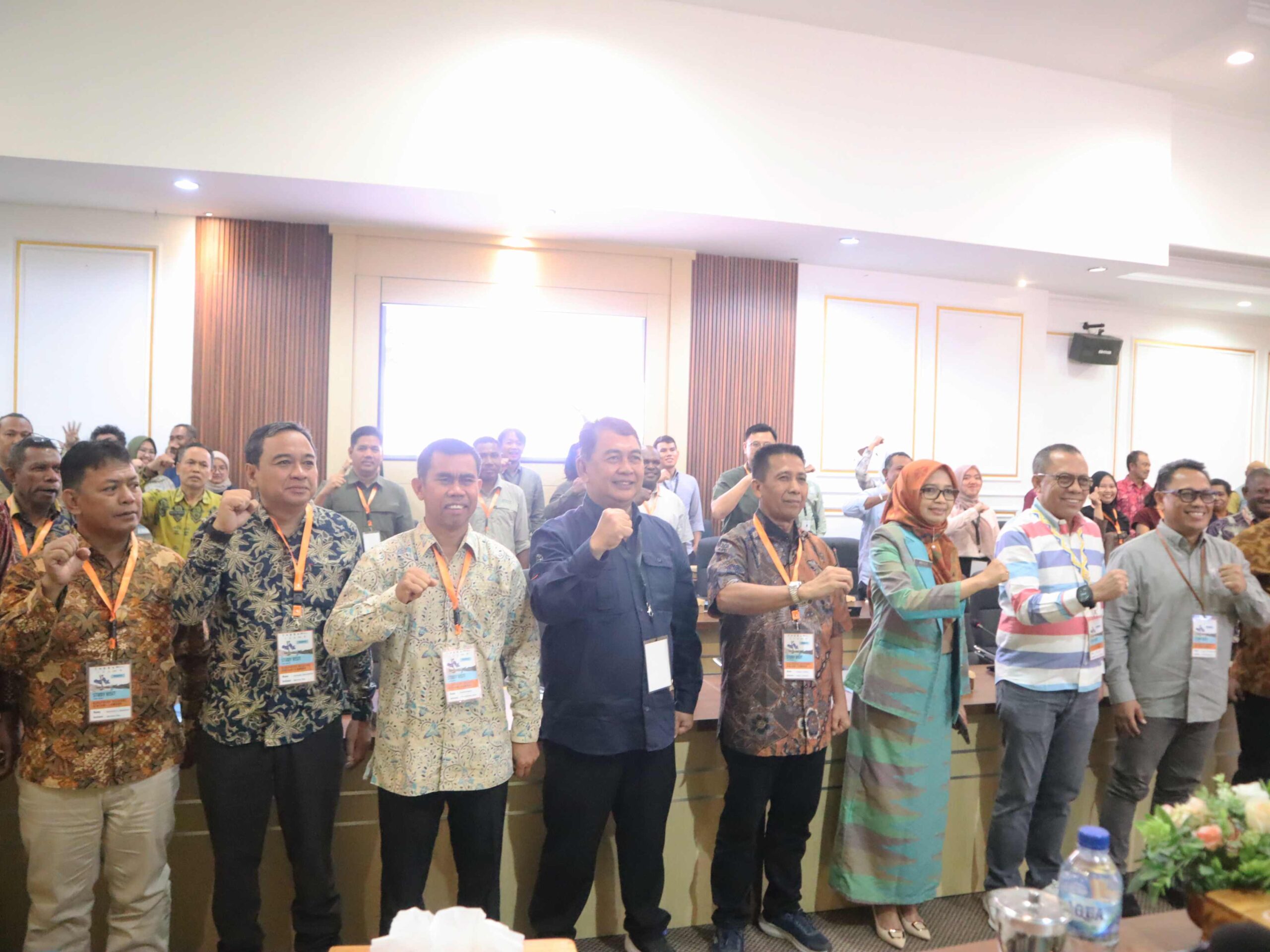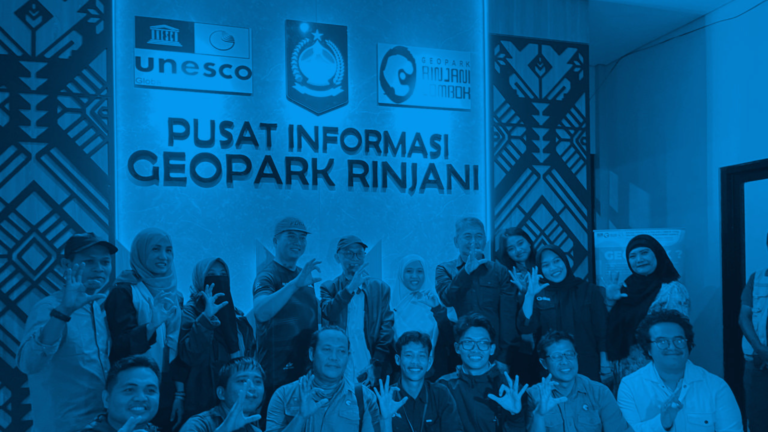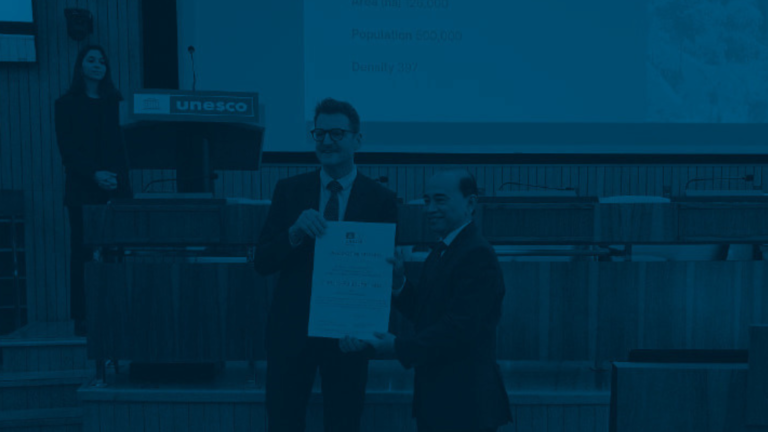
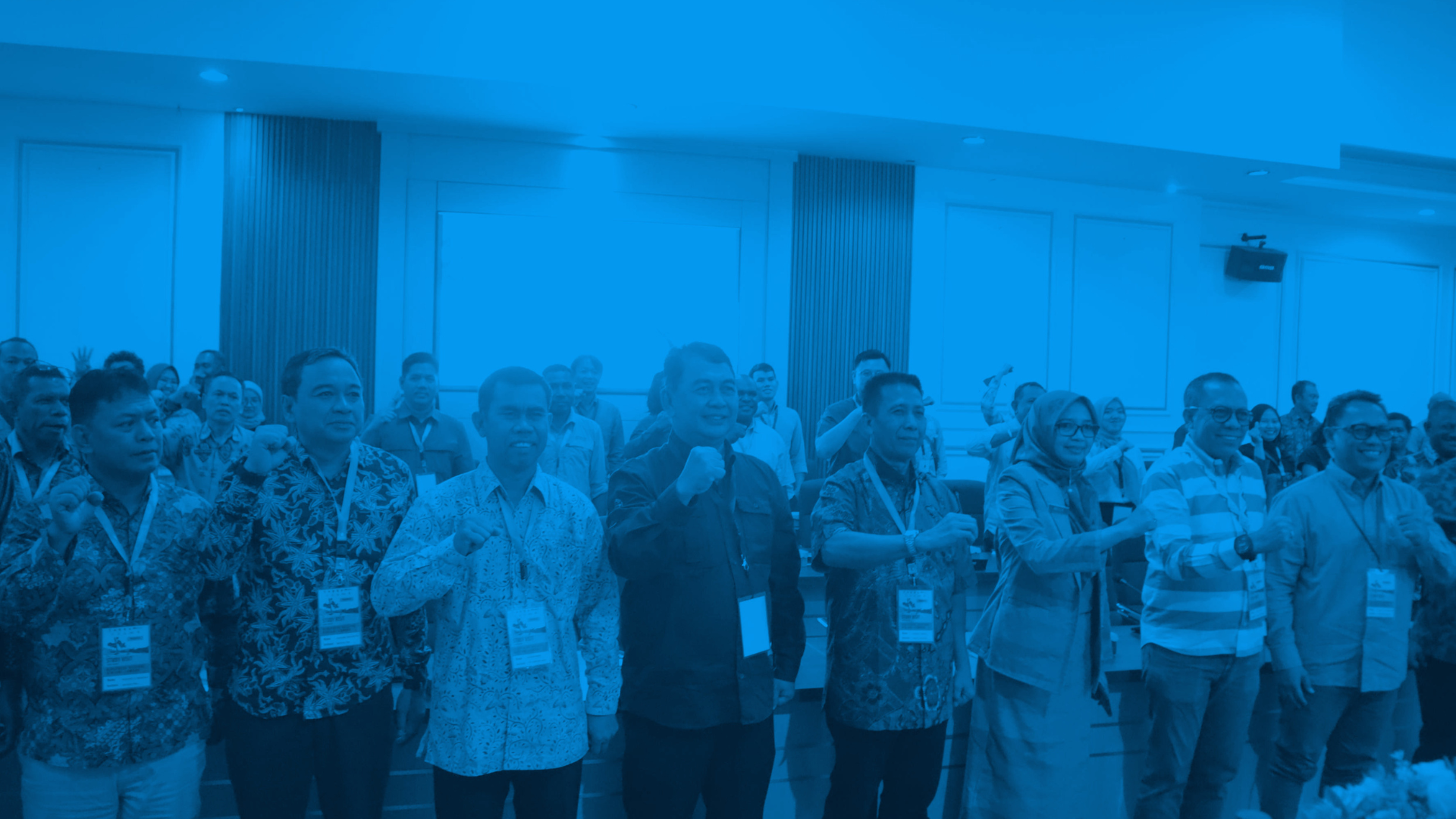

The Provincial Government of Southwest Papua (Papua Barat Daya, PBD) conducted an official study visit to the Provincial Government of West Nusa Tenggara (NTB) to learn about geopark management and governance. NTB is home to the Rinjani-Lombok Geopark, which has been recognized as part of the UNESCO Global Geopark network. This designation reflects its international significance, with dozens of geosites distributed across various regions of Lombok Island, each representing unique geological, ecological, and cultural value.
The study delegation from the Southwest Papua Provincial Government consisted of representatives from various regional agencies and local government units (Organisasi Perangkat Daerah, OPD). The study visit took place over a ten-day period, from June 12 to June 22. During this time, the delegation followed a structured itinerary that included visits to several key geosites within the Rinjani Geopark area. Among the locations visited were Aik Berik in Central Lombok, Sembalun in East Lombok, and Bayan in North Lombok, each offering insights into site management, community involvement, and sustainable tourism practices.
During a welcoming session held at the NTB Regional Development Planning Agency (Bappeda NTB) office, the Assistant I to the Regional Secretary of Southwest Papua emphasized the importance of the visit. He stated that the Southwest Papua Provincial Government considers it essential to learn directly from the Rinjani Geopark, particularly given its established status as a UNESCO Global Geopark. He highlighted that their primary objective was to understand institutional structures, governance frameworks, and operational management systems that support the geopark’s success.
A similar sentiment was expressed by the Regional Secretary of Raja Ampat Regency, Yusuf Salim. He noted that representatives from Raja Ampat had traveled a considerable distance with the intention of seriously studying the governance practices implemented by the Rinjani Geopark, especially in relation to its revalidation process within the UNESCO framework. He acknowledged that Rinjani’s inclusion in the global geopark network makes it a valuable benchmark for other regions aspiring to achieve similar recognition.
The Head of Bappeda NTB, Baiq Nelly Yuniarti, warmly welcomed the delegation at the Geopark Building within the Bappeda NTB complex. She expressed her appreciation for the visit and emphasized that such study exchanges are an important component of knowledge-sharing within the global geopark network. According to her, these interactions not only strengthen institutional capacity but also foster collaboration and mutual learning among regions with shared aspirations for sustainable development.
She further noted that the visit provides an opportunity for the Southwest Papua delegation to gain practical insights that could be adapted to enhance geopark management in their own region. These insights include approaches to stakeholder coordination, community engagement, conservation strategies, and the integration of local economic development through geopark initiatives. She concluded by expressing her hope that the delegation would have a productive and enriching experience during their visit, including their exploration of the Rinjani Geopark sites.
On the same occasion, the General Manager of the Rinjani-Lombok Geopark, Qwadro Putro Wicaksono, also conveyed his appreciation for the visit. He highlighted that the study visit is not only an opportunity for institutional learning but also a platform to showcase the practical implementation of geopark principles on the ground. As part of the program, the delegation was scheduled to visit several geopark sites and engage directly with local micro, small, and medium enterprises (MSMEs) supported by the geopark. These interactions aim to demonstrate how geopark development can drive inclusive economic growth while preserving natural and cultural heritage.
Overall, the study visit reflects a broader commitment among Indonesian regions to strengthen sustainable development practices through the geopark framework. By learning from established models such as the Rinjani-Lombok Geopark, emerging regions like Southwest Papua and Raja Ampat are taking concrete steps toward building globally recognized, community-driven, and environmentally responsible geopark systems.